



2/4/2026
Habit Tracker: The Science-Backed Tool That Builds Better Routines

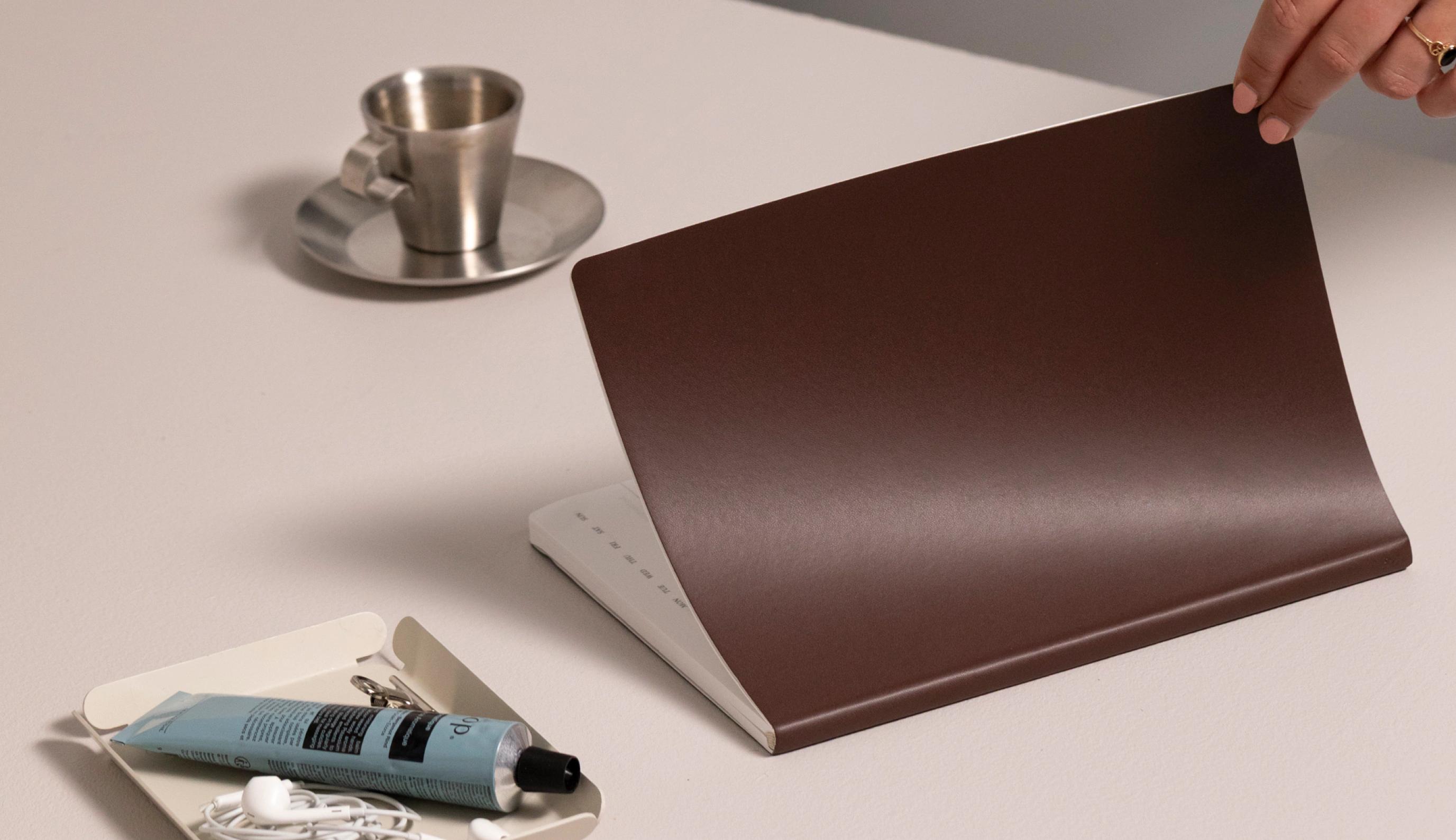
Building consistent routines is one of the most effective strategies for achieving your goals. Research from the European Journal of Social Psychology found that it takes an average of 66 days for a behavior to become automatic, but the success rate increases dramatically when people track their progress systematically. A habit tracker transforms abstract intentions into concrete daily actions, helping you build lasting change through proven psychological principles.
Why Habit Tracking Actually Works
The effectiveness of habit tracking is backed by solid research. A study in the American Journal of Preventive Medicine found that people who tracked their daily activities were twice as likely to reach their goals compared to those who didn't track progress.
When you mark a habit as complete, you're providing instant positive reinforcement that strengthens the neural pathways associated with that behavior. Research shows that seeing your tracked habits displayed week after week activates your brain's reward system even before you complete a goal. This is why the don't break the chain method is so effective – you become motivated to protect your streak.
The Key Benefits You'll Experience
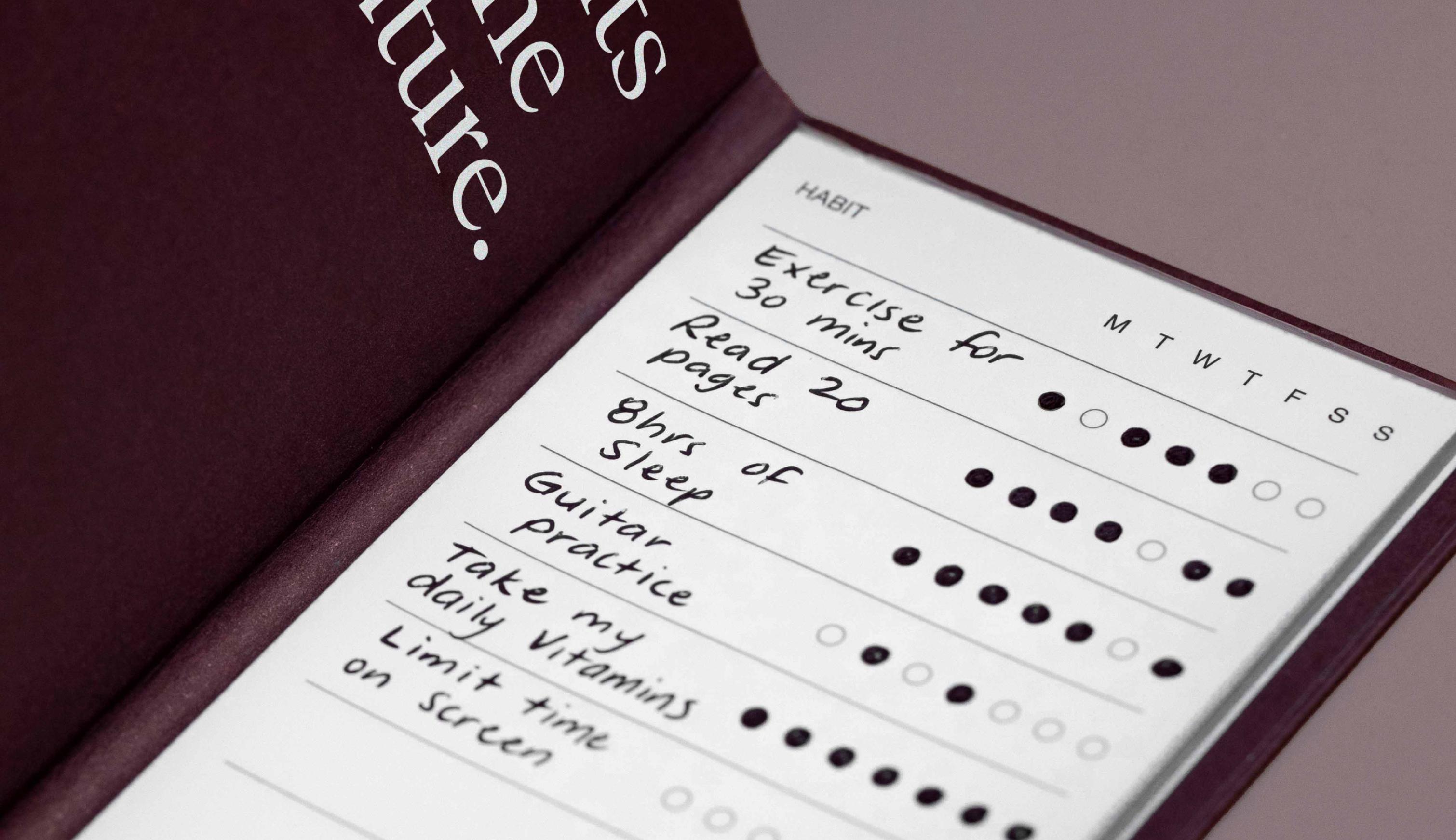
Better Goal Achievement: A comprehensive review in Health Psychology Review analyzed 138 studies and found that self-monitoring was one of the most effective behavior change techniques across health, productivity, and learning domains.
Pattern Recognition: After tracking for several weeks, you'll notice patterns you wouldn't otherwise see. Maybe you're most consistent with morning routines on weekdays, or perhaps stress affects your evening habits. These insights help you adjust your approach.
Sustainable Accountability: Research shows that self-monitoring creates accountability that's actually more effective than relying on others. You build intrinsic motivation rather than depending on external pressure.
Compound Effect Made Visible: Small daily actions accumulate into substantial results over time. Your habit tracker makes this compound effect visible.
How to Choose the Right Habits to Track
Start with keystone habits: behaviors that naturally cascade into positive changes. Research from the British Journal of Health Psychology found that people who began regular exercise spontaneously improved their eating habits, reduced smoking, and became more productive at work without specifically targeting those areas.
Focus on quality over quantity: attempting to change more than 3–4 behaviors simultaneously leads to significantly lower success rates. Track 3–8 meaningful habits for optimal results.
Make your habits specific and measurable: Track write for 15 minutes rather than work on book, or eat three servings of vegetables instead of eat healthy.
Why Paper Tracking Has Unique Benefits
While digital trackers offer convenience and reminders, paper tracking engages your brain differently. The physical act of writing activates more extensive neural networks than tapping a screen, leading to better retention and stronger commitment.
Writing by hand creates what researchers call the generation effect – information you generate yourself is remembered better than information you passively receive. When you physically write out your habits and manually check them off, you're more likely to internalize them.
Paper tracking also eliminates digital distractions. There are no notifications, no temptation to check other apps, and no screen fatigue. The tactile satisfaction of marking a completed habit on paper can be more rewarding than tapping a digital checkbox.
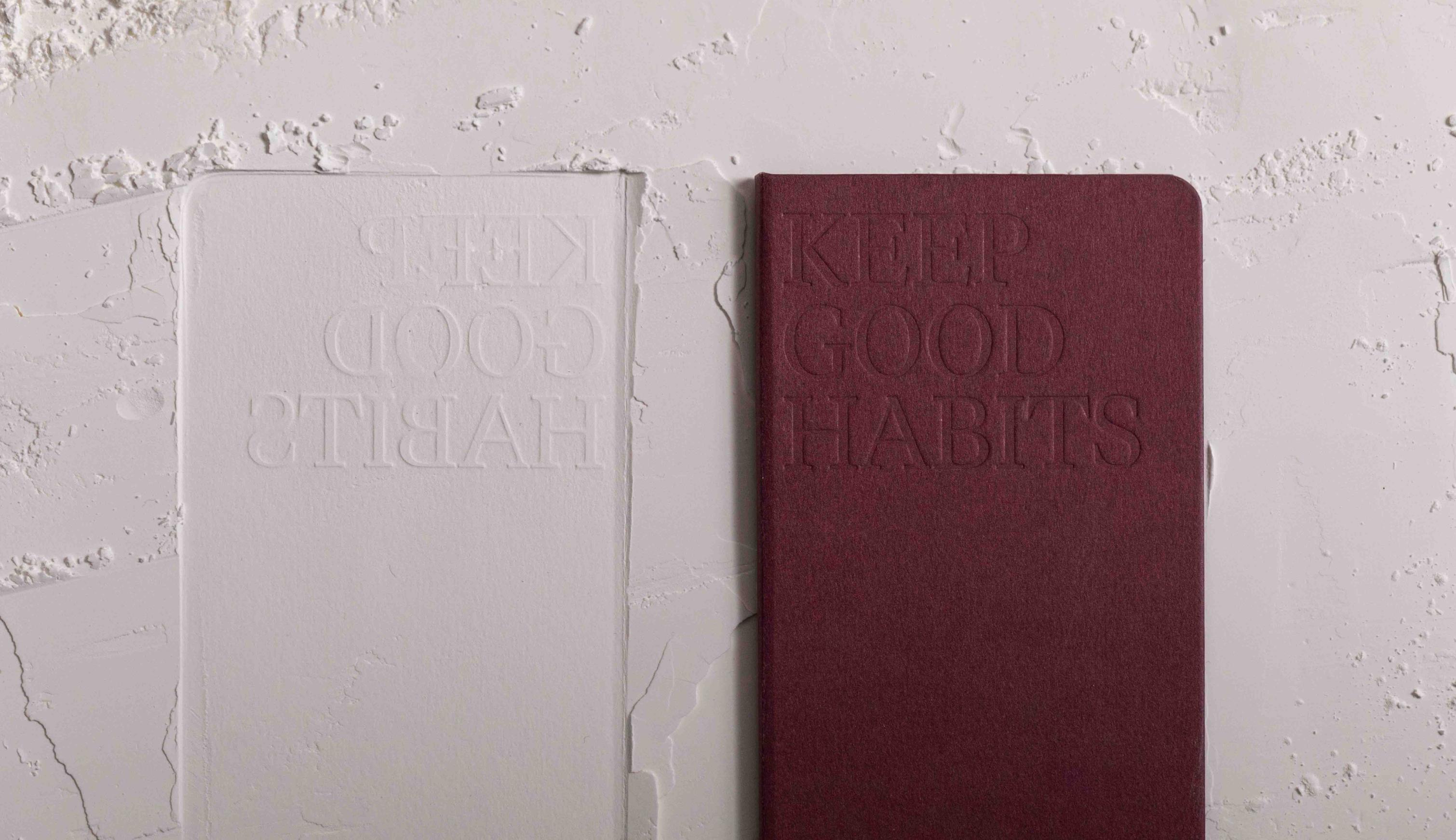
Karst Habit Tracker combines thoughtful design with sustainable materials:
1. Track up to 8 habits per week for focused, manageable progress;
2. Undated format for complete flexibility – start anytime, pause when needed;
3. Weekly progress overview to identify patterns and celebrate consistency;
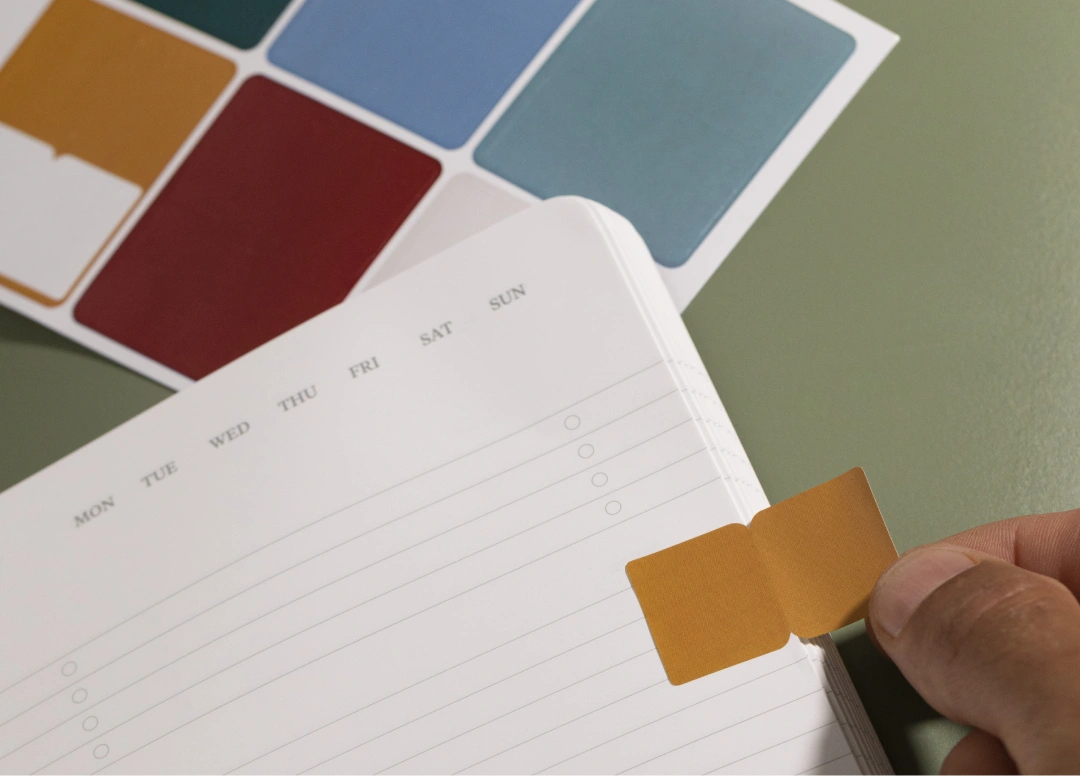
4. Micro-perforated pages for easy tear-out and archiving;
5. Compact and portable design that fits your lifestyle;
6. Pages made from recycled stone – waterproof, durable, and environmentally responsible.


kr242.00 SEK
More articles you might like

5/21/2025
Stone Paper vs Traditional Paper - What's the difference?
Made from sustainably recycled stone, and without any bleaches or acids, Karst Stone Paper™ is rebuilt from first principles to be better than wood-pulp paper
READ MORE
5/14/2025
The Best Notebook for Professionals
The Pro Series Notebook offers tailored flexibility, ensuring that your approach to organising, scheduling, and note-taking complements the intricacies your professional life.
READ MORE

11/12/2025
Why the Best Notebooks for Designers, Architects & Engineers Use Grids
Discover why grid notebooks - like the Karst Pro Technical Grid - are essential tools for designers, architects, and engineers balancing creativity with precision.
READ MORE